3. Air Transport
Air freight services are centered on Bujumbura Melchior Ndadaye International Airport, Burundi's main international airport. Air transport is primarily used for high-value, time-sensitive, and international cargo, although its use remains limited due to relatively high costs.
4. Regional Trade Corridors
Burundi depends on three major regional transport corridors:
- Northern Corridor connecting to Mombasa, Kenya.
- Central Corridor connecting to Dar es Salaam, Tanzania.
- Southern Corridor linking Burundi through Lake Tanganyika and southern routes.
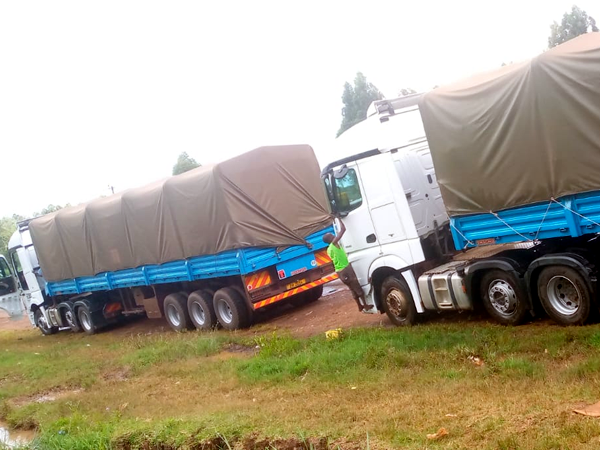
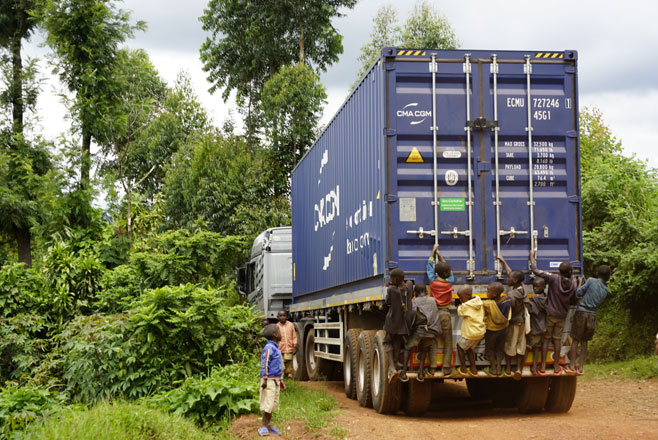
The Central Corridor handles a significant share of Burundi's international trade and is critical for access to global markets.
5. Logistics Challenges
The sector faces several constraints, including:
- Limited transport infrastructure.
- High logistics and transit costs.
- Dependence on neighboring countries' ports.
- Border delays and customs procedures.
- Limited adoption of modern logistics technologies.
6. Future Prospects
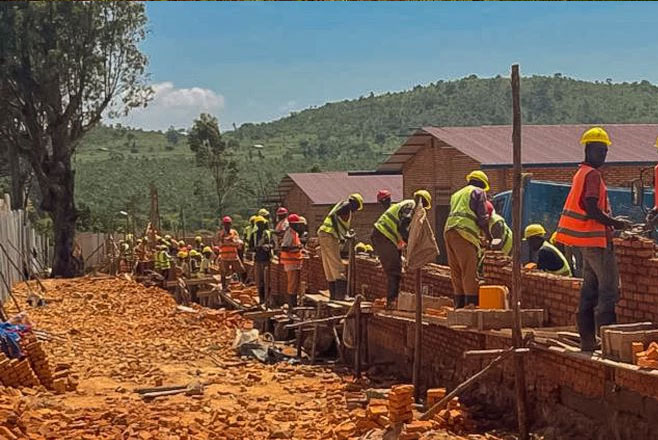
Investments in road rehabilitation, port modernization, and multimodal transport corridors are expected to strengthen Burundi's logistics capabilities. Improved connectivity through regional integration initiatives could reduce transport costs and enhance the country's competitiveness in regional and international trade.
Conclusion:
Transport and logistics services are vital to Burundi's economy. While road transport remains the backbone of the sector, developments in lake transport infrastructure and regional corridors offer significant opportunities to improve trade efficiency and economic growth.