Several organizations provide professional training and consultancy services in Burundi:
- Innova Group supports entrepreneurs, social innovators, and organizations through business training, consulting, coaching, and partnership development.
- HR Consulting specializes in human resource development, talent recruitment, competency assessment, management training, and career development.
- CECODDA S.A. offers consulting, research, training, and capacity-building services in areas such as agriculture, trade, social development, and climate change.
- IBSC provides business consultancy, language training, and information technology solutions for organizations and individuals.
- SAMA Consultancy SPRL delivers project management, advisory services, capacity building, and public-private partnership support.
Importance to National Development
Training and consultancy services contribute significantly to Burundi's socio-economic development by:
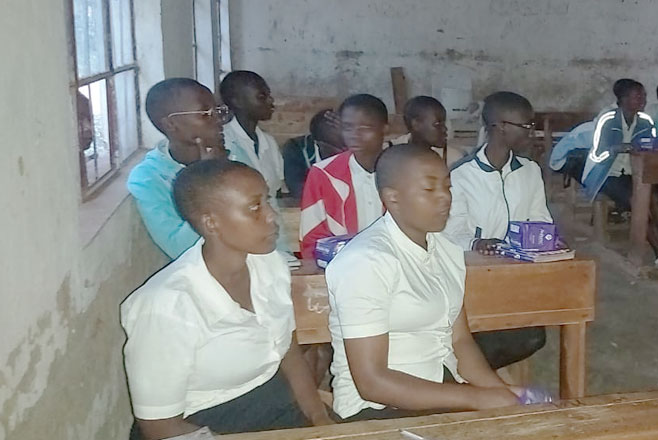
- Strengthening institutional and organizational capacity
- Enhancing workforce productivity and employability
- Supporting entrepreneurship and innovation
- Improving project implementation and management
- Facilitating knowledge transfer and skills development
- Promoting evidence-based decision-making
Challenges
Despite its growth, the sector faces several challenges:
- Limited financial resources for professional development
- Skills gaps in specialized technical fields
- Dependence on donor-funded programs
- Limited access to advanced training technologies
- Shortage of highly specialized consultants in some sectors
Future Prospects
The future of the training and consultancy industry in Burundi appears promising due to increasing demand for professional skills, digital transformation, entrepreneurship development, and institutional capacity strengthening. Growing investments in education, technology, and private-sector development are expected to create additional opportunities for training providers and consulting firms.
Conclusion
Training and consultancy have become essential components of Burundi's development landscape. By enhancing human capital, strengthening organizations, and supporting innovation, the sector plays a vital role in improving economic performance, governance, and sustainable development outcomes across the country.