
Construction

Home  

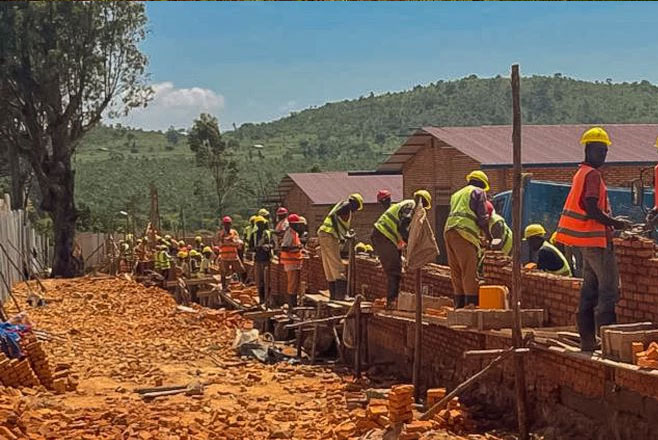
Community construction in Burundi often refers to projects where local residents actively participate in building housing, water systems, schools, roads, and other shared infrastructure. This approach is widely used because it creates local employment, reduces costs, and encourages long-term ownership of the projects.

Key Areas of Community Construction in Burundi

Housing Development
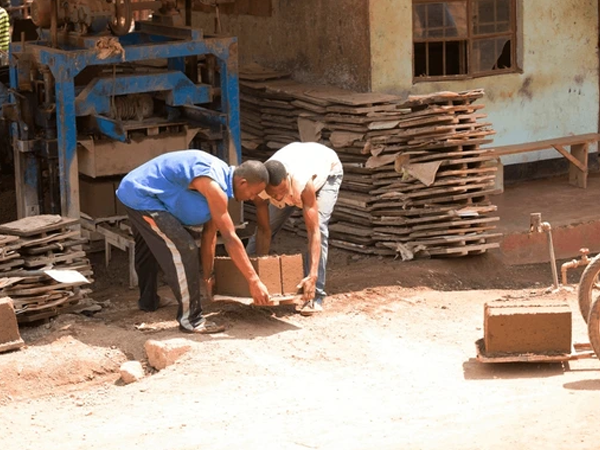
Several initiatives focus on building affordable and resilient homes with strong community involvement. For example, projects supporting the marginalized Batwa community use local materials such as adobe and mud while involving families directly in construction, helping create both housing and community empowerment.

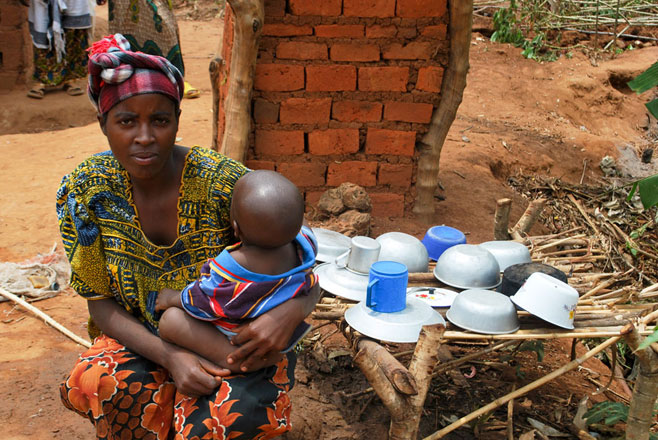
Community-led housing programs have also replaced vulnerable grass shelters with durable brick homes in rural villages, improving safety and long-term living conditions.

Water Infrastructure
Many rural communities participate in constructing and maintaining water systems. These projects typically include pipelines, storage tanks, and public tap stands. Local workers are often employed during construction and trained to maintain the systems afterward, which improves sustainability. Recent projects have served hundreds to thousands of residents across rural provinces.


Sustainable and Climate-Responsive Construction
Programs such as PROECCO promote environmentally friendly building materials and construction techniques while creating jobs for young workers and entrepreneurs. The goal is to improve housing affordability and strengthen local construction value chains.

Schools and Community Facilities
Community participation is also common in educational and cultural buildings. The library project in Muyinga used local labor and locally sourced earth-based materials, supporting the local economy while preserving traditional building knowledge.

Benefits of Community Construction

- Creates local employment opportunities.
- Reduces construction costs through local labor and materials.
- Strengthens community ownership and maintenance of infrastructure.
- Preserves traditional building techniques while introducing modern improvements.
- Improves access to housing, water, education, and public services.


Our Recent Projects