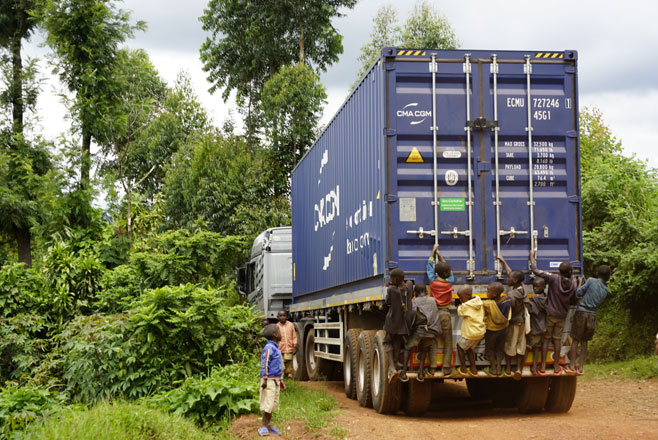
An import/export business involves the buying and selling of goods and services across international borders. Companies that import goods purchase products from foreign countries and bring them into their domestic market for sale. Export businesses, on the other hand, produce or source goods locally and sell them to customers in other countries.
The import/export industry plays a vital role in global trade by connecting producers and consumers worldwide. It helps countries access products that may not be available locally and allows businesses to expand their markets beyond national boundaries.
Key activities in an import/export business include market research, supplier and buyer identification, pricing, transportation, customs clearance, documentation, and compliance with international trade regulations. Common documents used in international trade include invoices, bills of lading, certificates of origin, and insurance documents.
The main advantages of import/export businesses are increased market opportunities, higher revenue potential, business growth, and access to a wider variety of products. However, businesses may also face challenges such as trade barriers, currency fluctuations, transportation costs, and changing international regulations.
In conclusion, import/export businesses are essential to the global economy, promoting international cooperation, economic development, and the efficient exchange of goods and services among nations.