Key Digital Services
1. Mobile Telecommunications
Mobile communication is the dominant ICT service in Burundi. Telecommunications operators provide voice, SMS, and mobile internet services that connect urban and rural populations. Mobile penetration has continued to rise, exceeding 60% of the population according to recent regulatory reports.
2. Mobile Financial Services
Digital financial services are among the fastest-growing digital sectors in Burundi. Mobile money platforms enable users to transfer funds, pay bills, receive salaries, and conduct financial transactions without traditional bank accounts. These services have improved financial inclusion, particularly in rural areas.
3. E-Government Services
The government has begun implementing digital platforms to improve public service delivery. Efforts include digitization of administrative processes, electronic records management, and online access to selected government services. These initiatives aim to increase efficiency, transparency, and citizen access to public services.
4. Digital Education
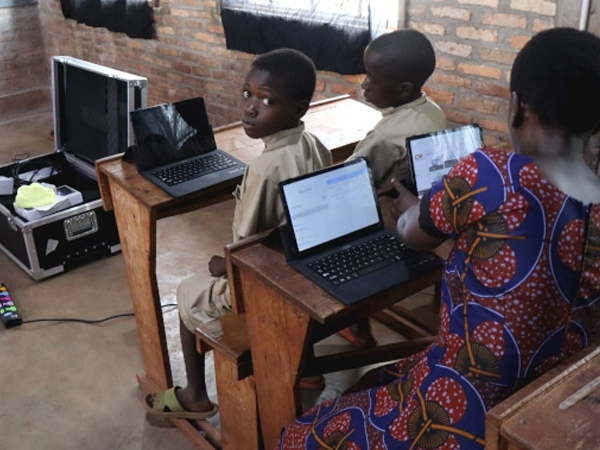
ICT is increasingly used in education through digital learning resources, internet-enabled research, and online training programs. However, limited connectivity and digital literacy continue to constrain widespread adoption.
Opportunities for Growth
Burundi's digital economy offers several opportunities:
- Expansion of broadband and 4G/5G connectivity.
- Growth of mobile banking and fintech services.
- Development of e-commerce platforms.
- Increased digitalization of government services.
- ICT entrepreneurship and startup development.
- Expansion of digital skills training and employment opportunities.
International support, including projects backed by the World Bank, is helping strengthen digital infrastructure and digital economy foundations across the country.
Challenges
Several challenges continue to hinder ICT development:
- Low internet penetration rates.
- High cost of internet access and digital devices.
- Limited digital literacy and technical skills.
- Rural-urban disparities in connectivity.
- Inadequate cybersecurity capacity.
- Limited fixed broadband infrastructure.
Conclusion
The ICT and digital services sector in Burundi is developing steadily but remains at an early stage compared with many African countries. Mobile telecommunications and digital financial services currently drive the sector's growth, while investments in broadband infrastructure and digital government initiatives are creating new opportunities. Addressing connectivity, affordability, and digital skills gaps will be critical for Burundi to fully benefit from digital transformation and achieve inclusive economic development.