Importance
Food security: Community agriculture helps provide food for rural households.
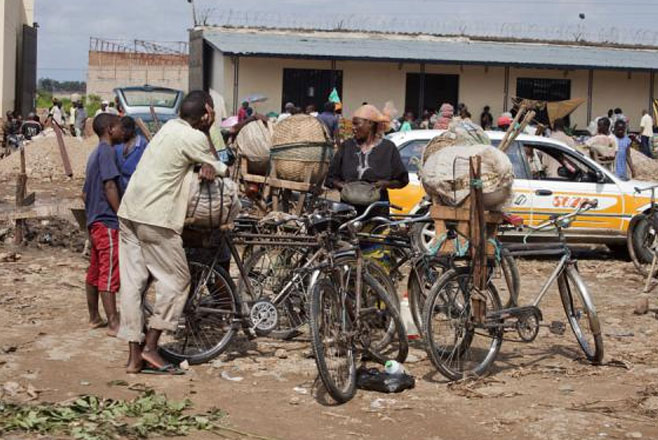
Income generation: Selling surplus crops and livestock products supports family incomes.
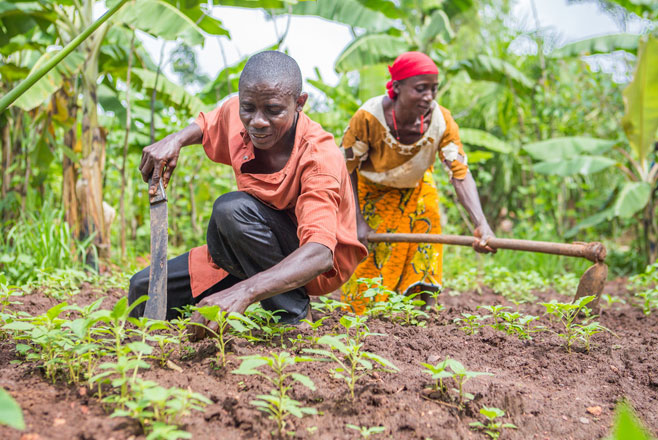
Social cohesion: Cooperative farming strengthens relationships among community members and encourages mutual support.
Employment: Agriculture provides work for a large portion of the population.
Challenges
- Limited access to modern farming equipment and quality seeds.
- Soil erosion and declining soil fertility due to intensive land use.
- Climate-related risks such as droughts, floods, and irregular rainfall.
- High population density, which reduces the amount of farmland available per household.
Development Efforts
- Agricultural extension programs provide training on improved farming techniques.
- Farmer cooperatives help members access credit, inputs, and markets.
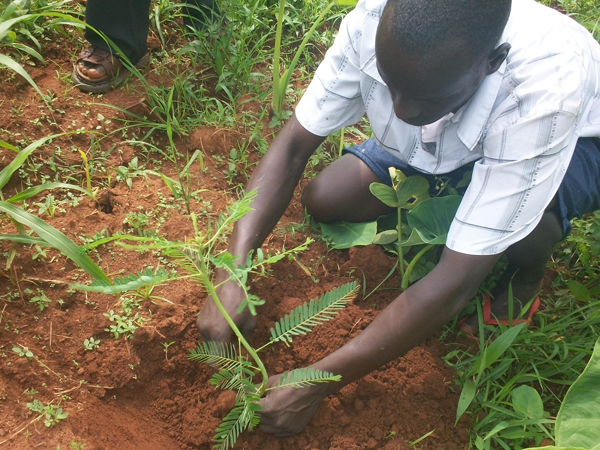
- Projects promoting sustainable agriculture focus on soil conservation, agroforestry, and water management.
- International and local organizations support productivity improvements and rural development.
Conclusion
Community agriculture is the backbone of Burundi's rural economy. Through cooperation, shared resources, and sustainable farming practices, communities contribute significantly to food production, poverty reduction, and local development, despite facing environmental and economic challenges.